‘Ramayana Part 1’ Styling Sparks Debate; Designers Reveal the Thought Behind Sita and Kaikeyi’s Looks
Modern or Meaningful? Designers Explain
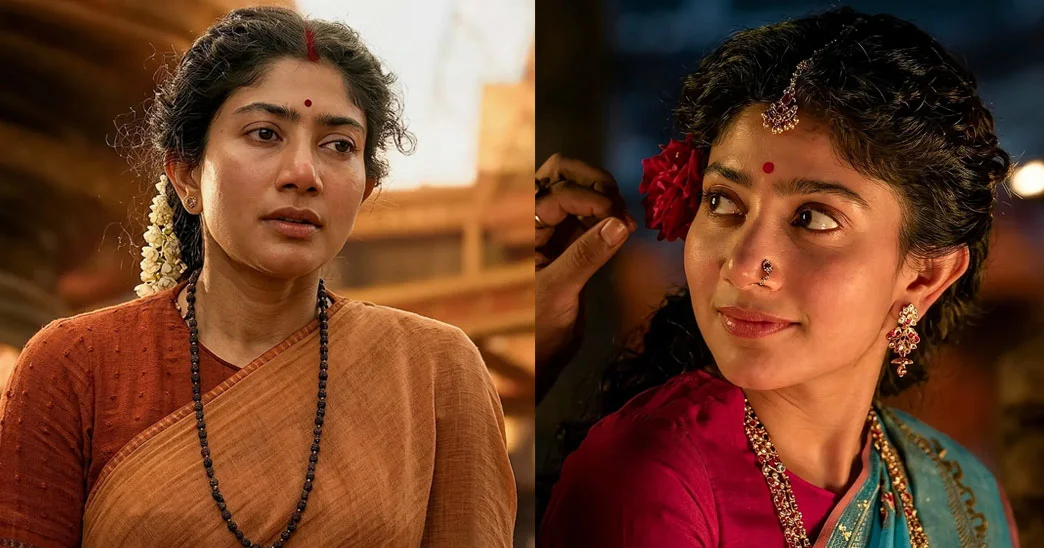
The costumes of two prominent female characters, Sita and Kaikeyi, have especially caught attention. Critics argue that their looks appear far more contemporary than what they expected from a story rooted in an ancient era. Rather than reflecting the traditional visual aesthetic associated with the epic, the outfits have led many to feel that the characters have been given a distinctly modern makeover.
The criticism soon sparked a wider debate on social media, with fans and viewers sharing their opinions about the styling. Amid the growing discussion, costume designers Rimple and Harpreet Narula have now addressed the criticism and explained the thought process behind the film’s costume choices.
The designers said their vision was to present the epic in a way that felt both fresh and authentic, without simply relying on the familiar imagery audiences have grown accustomed to over the years. They acknowledged that generations of viewers have developed a clear visual perception of characters like Sita and Kaikeyi through traditional paintings, television adaptations, and other popular portrayals of the Ramayana. However, rather than recreating those established looks, they chose to explore a new visual interpretation while staying rooted in the essence of the epic. 
The designers were also fully aware that such creative decisions would invite debate, comparisons, and differing opinions. They noted that whenever a legendary story is adapted for the big screen, every aspect from casting and costumes to visual effects and artistic interpretation is bound to come under public scrutiny. They said they were prepared for such reactions and understood that not everyone would view their choices in the same way. Despite the criticism, their dedication to the project and faith in the work they had created remained their greatest source of strength, especially during challenging times.
From Pooja Room to Silver Screen: Rimple Reveals the Vision Behind Sita’s Look
“When I close my eyes and think of Sita Devi, I don’t think about recreating history with absolute accuracy. Instead, I picture the goddess I see in my own pooja room. That is the image I wanted to bring to life through Sita’s character in the film.
Since no original garments from that era have survived, we don’t have a direct reference for recreating the costumes. Our visual inspiration comes from calendar art, miniature paintings, temple sculptures, and the timeless works of Raja Ravi Varma.
“The Ramayana has been interpreted in countless ways across different countries and cultures, with each interpretation bringing its own perspective and visual identity. We have always understood that there is no single way to portray a timeless epic like this. With this film, our aim was to offer our own interpretation of the story while staying true to its spirit and cultural essence,” said designer Rimple.
Why Kaikeyi Wears Green and Red: Harpreet Narula Explains the Symbolism behind the Costumes
Speaking about Kaikeyi’s look, portrayed by Lara Dutta, and the choice of the ulta pallu saree, costume designer Harpreet Narula explained that every detail of the character’s appearance was carefully conceived and carries a deeper symbolism.
“The green in Kaikeyi’s costume represents motherhood, while the deep red reflects the emotional intensity and darkness behind the difficult decision she makes. She is caught between her own son and Rama, and every colour has been chosen with a specific purpose,” Harpreet explained.
She also pointed out that viewers can sometimes react to a design before fully understanding the thought and symbolism behind it. Addressing comparisons with the elaborate costumes seen in older television adaptations of the Ramayana, she said the team deliberately opted for a more understated approach. Their intention, she explained, was to reinterpret the ancient epic in a visual language that feels accessible and relevant to today’s generation, while still respecting its essence.
“Every thread has a thought behind it. We only ask the audience not to form an opinion before watching the film. Watch it, experience it, and then decide what you truly feel about it,” Harpreet added.
The film’s styling had already become a major talking point on social media following the release of its teaser. Ranbir Kapoor’s portrayal of Rama and Sai Pallavi’s look as Sita drew widespread attention, with many viewers questioning the styling choices. Sai Pallavi’s costume, in particular, faced criticism from those who felt that her appearance was too modern for a character from the ancient epic.