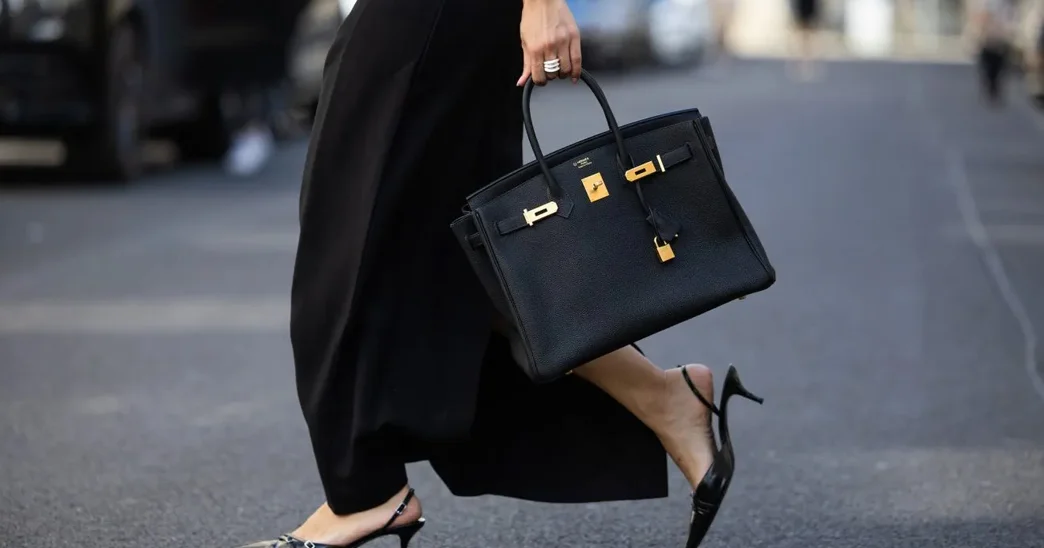
From a chance encounter on a flight to becoming one of the world’s most coveted fashion icons, the Birkin is a story of craftsmanship, scarcity, exclusivity and desire.
Few fashion accessories have achieved the legendary status of the Hermès Birkin. More than just a handbag, it has become a symbol of luxury, exclusivity and wealth. For many fashion and luxury enthusiasts, owning a Birkin is not simply about possessing a beautiful bag it is about being part of an exclusive world that very few get to enter.
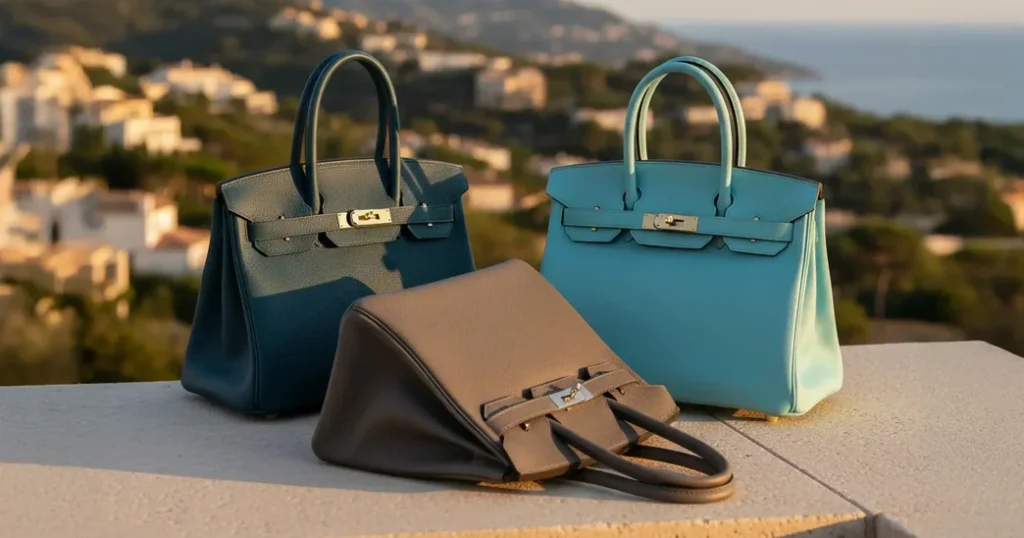
Named after British actor and style icon Jane Birkin, the bag began with an unexpected conversation on a flight and eventually became one of the most recognisable luxury products in the world.
A Chance Encounter That Changed Fashion
The story of the Birkin began in the early 1980s, when Jane Birkin found herself seated next to Jean Louis Dumas, then executive chairman of Hermès, on a flight from Paris to London. 
Known for her effortless style, Birkin often carried a wicker basket instead of a traditional handbag. During the flight, she reportedly spoke to Dumas about how difficult it was to find a stylish leather bag that was spacious enough to hold all her essentials.
She suggested that Hermès create a larger, more practical version of its iconic Kelly bag.
Dumas listened and an idea began to take shape.
A Design Sketched at 30,000 Feet
Birkin and Dumas reportedly spent part of the flight discussing what the ideal everyday luxury bag should look like. Their ideas were eventually sketched on the back of an airsickness bag.
The concept combined practicality with the elegance and craftsmanship that had already become synonymous with Hermès.
In 1984, the first Birkin bag was introduced.
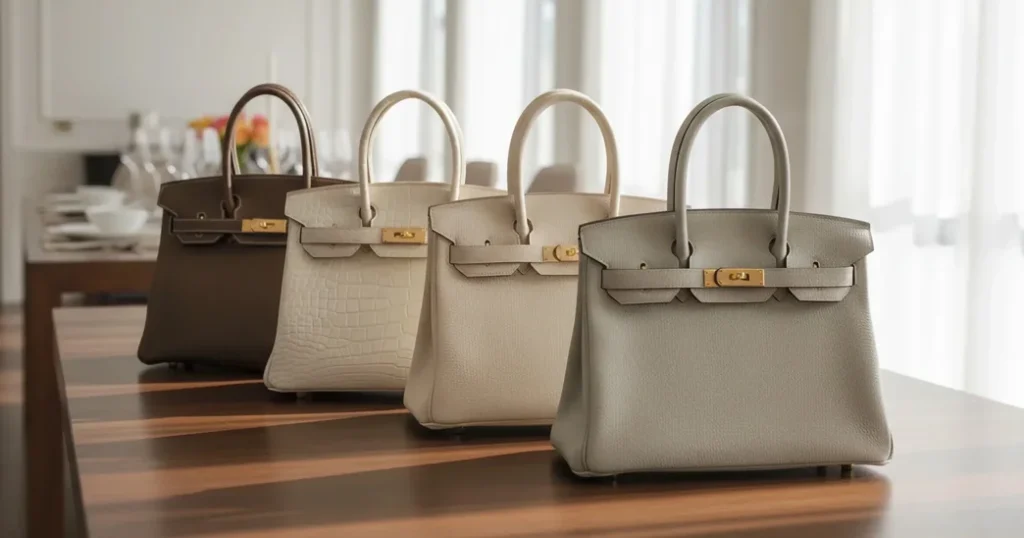
Despite its now famous origins, the bag did not immediately become the sensation it is today. Over time, however, its distinctive design, craftsmanship and limited availability transformed it into a global symbol of luxury.
Why Is a Birkin So Difficult to Buy?
The price of a Birkin is only one part of its exclusivity.
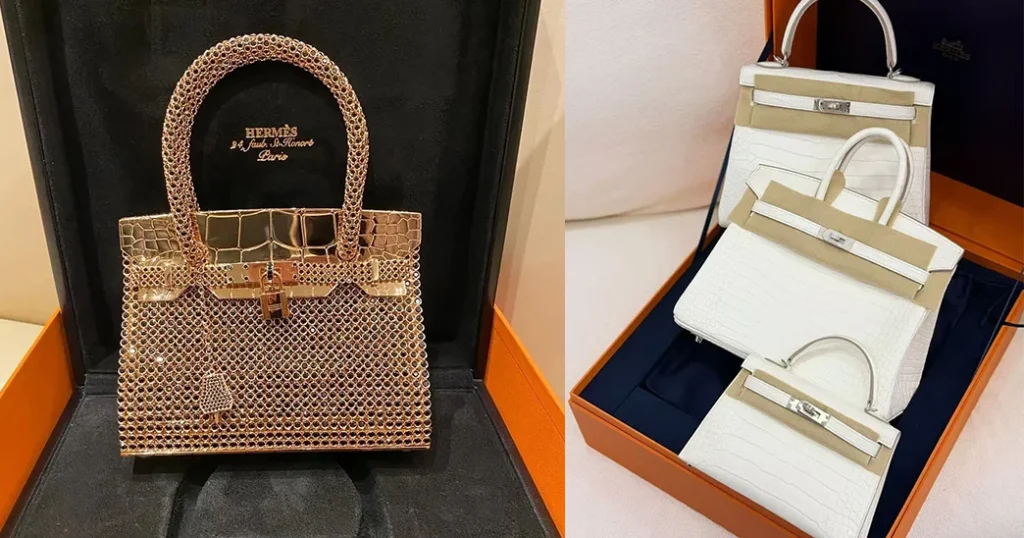
Even customers with the financial means to afford one cannot always simply walk into a Hermès boutique and purchase their preferred bag. Availability is tightly controlled, adding an element of mystery to the buying experience.
For years, Birkin shoppers faced lengthy waiting lists. In 2010, Hermès moved away from the traditional waiting-list model and introduced an allocation system, giving individual sales associates greater influence over which customers were offered available bags.
The change made the process even more elusive. Purchase history, relationships with sales associates, availability and timing can all play a role. In other words, having the money does not necessarily guarantee access.
The Birkin Obsession
The difficulty of obtaining a Birkin has itself become part of the fascination.
Luxury enthusiasts have long discussed the steps that might improve their chances of being offered one. Building a relationship with a Hermès sales associate and purchasing other products from the brand are often considered part of the journey.
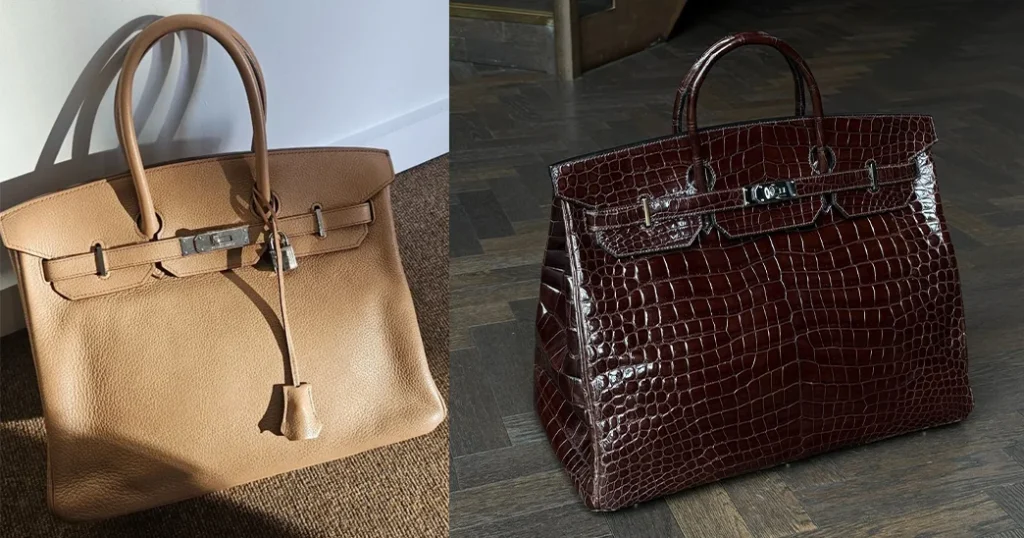
But even then, nothing is guaranteed. Perhaps the most intriguing part is that customers may not always get to dictate every detail of the bag they are offered. The available colour, size and model can depend on what the boutique has in stock.
That element of unpredictability only makes the experience more exciting.
Hermès’ Masterclass in Luxury Branding
The Birkin is a striking example of how scarcity can create desire.
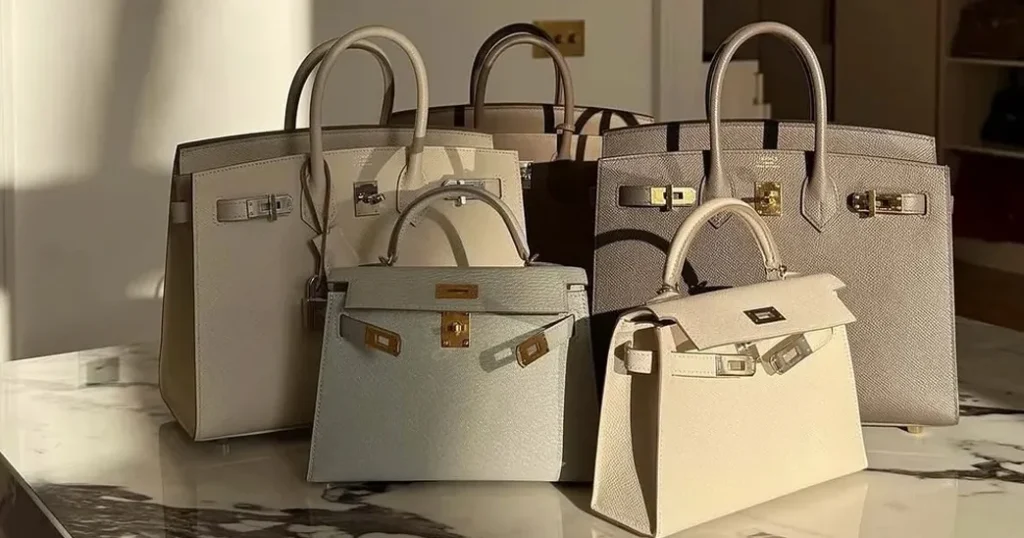
Hermès does not treat the Birkin as just another handbag. Its craftsmanship, limited availability and carefully controlled distribution have helped turn it into something that feels almost unattainable.
The strategy also strengthens the wider Hermès ecosystem. Customers hoping to eventually acquire a Birkin may build a deeper relationship with the brand by purchasing other products and becoming long-term clients.
It is a powerful luxury strategy: when the most desirable product is difficult to obtain, the desire for it can become even stronger.
As Hermès CEO Axel Dumas explained during a 2023 earnings call, luxury is ultimately about creating desire for things people want rather than simply need.
More Than a Handbag
The Birkin’s reputation extends beyond fashion. Its potential as a valuable collectible has also added to its appeal.
Between 1980 and 2015, Birkin bags reportedly appreciated at an average annual rate of around 14%, outperforming several traditional luxury and investment categories during that period.
Rare and highly sought-after versions have also reached extraordinary prices at auction, turning some Birkins into collector’s pieces as much as fashion accessories.
But the Birkin’s true value goes beyond its price tag.
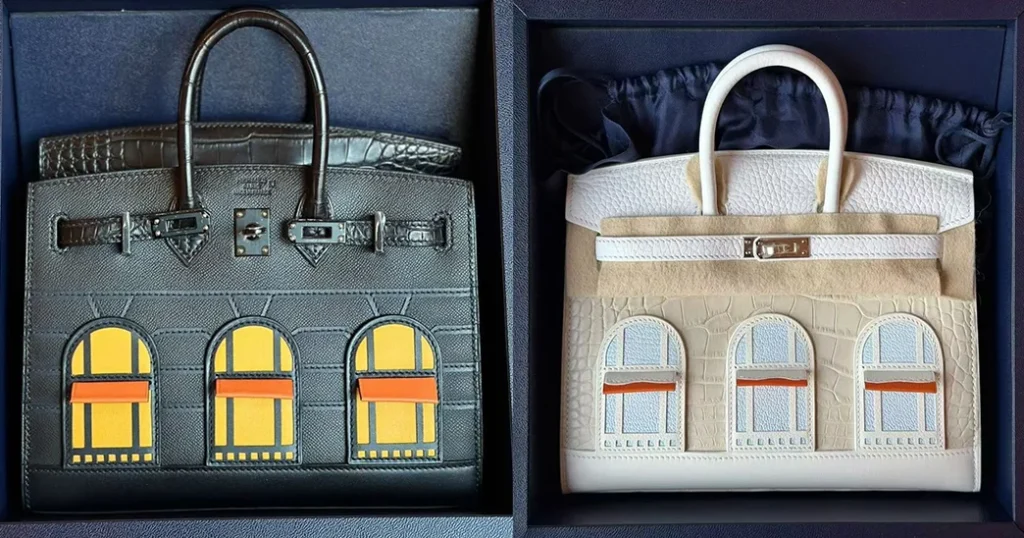
The Secret Behind the Birkin’s Unmatched Appeal
The Birkin’s extraordinary success can be traced to three powerful elements: scarcity, secrecy and unpredictability.
Combine these with Hermès’ long-standing reputation for craftsmanship, meticulous production and heritage, along with the story of Jane Birkin, and the result is a handbag surrounded by an almost mythical aura.
The Birkin does more than tell the world how much it costs.
It tells the world that it was difficult to obtain.
And perhaps that is the real genius behind its enduring appeal.