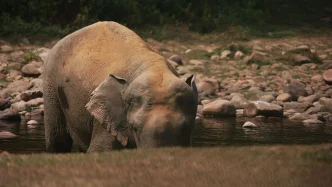
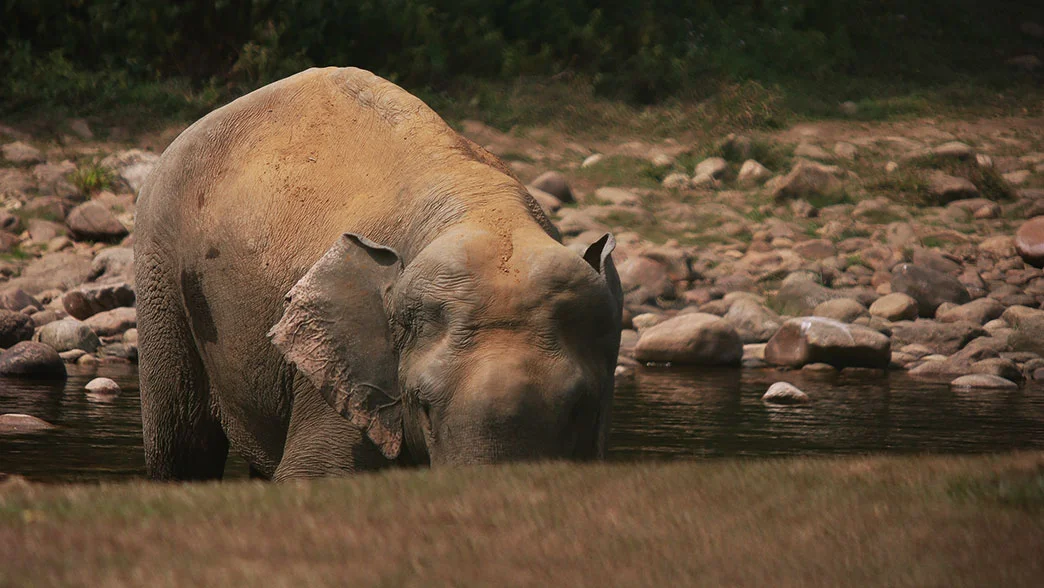
For generations, elephants have held a special place in the hearts of Malayalis. Whether during temple festivals or while travelling through forest roads, the excitement of spotting an elephant never seems to fade. That fascination has often led to adventurous and sometimes dangerous encounters. Yet, despite the risks, very few people would willingly miss an opportunity to witness these magnificent giants in the wild.
Among the many wildlife destinations in Kerala, Anakulam has emerged as one of the most fascinating. True to its name “the village of elephants” Anakulam is a place where wild elephant herds regularly descend from the forest to drink from a river flowing through the village. What was once an everyday sight for local residents has now become one of Kerala’s most sought-after wildlife experiences.
Although the phenomenon was documented as early as 1989 in a journal published by the Bombay Natural History Society, Anakulam came into the spotlight among Malayalis after a widely watched 2021 video report by Mathrubhumi News, followed by numerous travel vlogs and YouTube documentaries. Since then, the village has become a dream destination for nature lovers, wildlife enthusiasts and photographers alike. 
A Scenic Journey to Anakulam
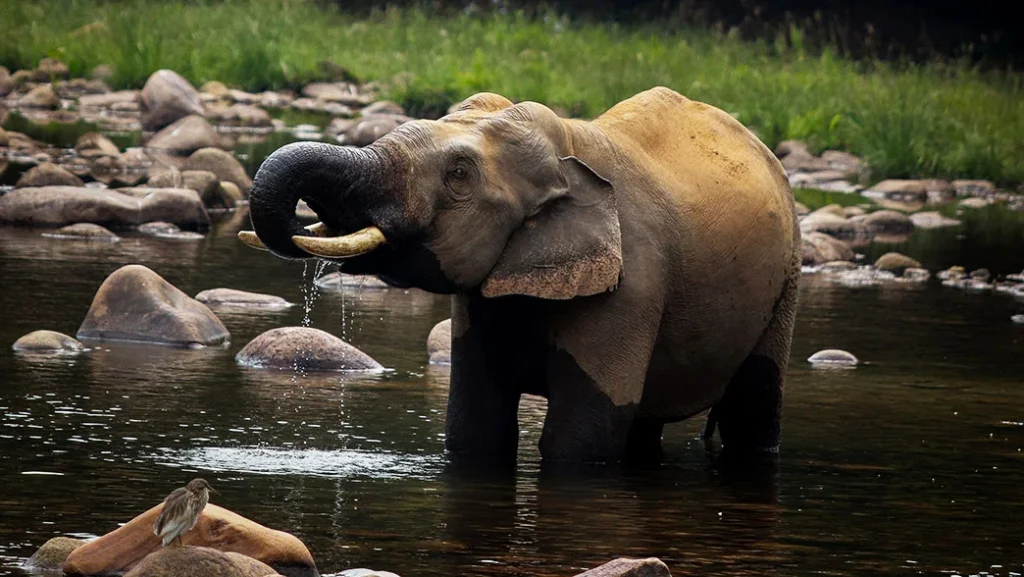
My own journey to Anakulam began while searching for an alternative route to Munnar. Instead of taking the usual tourist road, we travelled through Kuttampuzha – Mamalakandam – Mankulam – Anakulam, a route filled with forests, plantations and breathtaking landscapes.
As the road entered Mankulam, dense forests gradually gave way to lush tea plantations stretching across rolling hills. Cardamom estates, winding mountain roads and countless waterfalls accompanied us throughout the drive, making the journey itself an unforgettable experience. From Mankulam, Anakulam lies only about nine kilometres away, tucked quietly amidst nature.
A Village That Has Preserved Its Simplicity
While cities continue to race towards modernization, Anakulam still retains the charm of an old Kerala village. Small roadside shops, a temple, a chapel, friendly villagers and a gently flowing river create an atmosphere that instantly slows life down.
Just a short walk from the road lies the river where visitors patiently wait every afternoon, hoping to witness the arrival of wild elephants. Concrete benches and natural mud banks have become viewing points where both domestic and international tourists gather with cameras in hand.
The Mystery Behind the Elephants’ Daily Visit
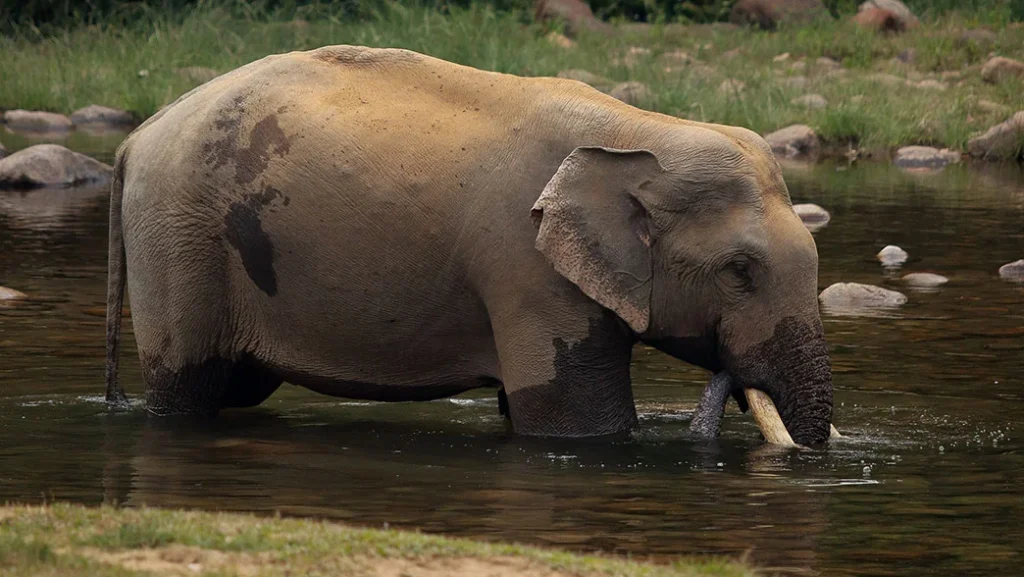
The biggest mystery of Anakulam is not simply that elephants come here—but why they come.
Researchers have observed that a particular spot in the river constantly releases bubbles from beneath the rocks, much like a natural spring. Studies have suggested that the water here contains unusually high concentrations of dissolved minerals, particularly magnesium, sodium and chloride.
Wild elephants are believed to visit this location to replenish essential minerals that may be lacking in their regular forest diet. Local residents affectionately call this mineral-rich water “the elephants’ beverage.”
Visitors often taste the water themselves out of curiosity, eager to experience the unusual natural spring that attracts the elephants day after day.
A Fascinating Ritual
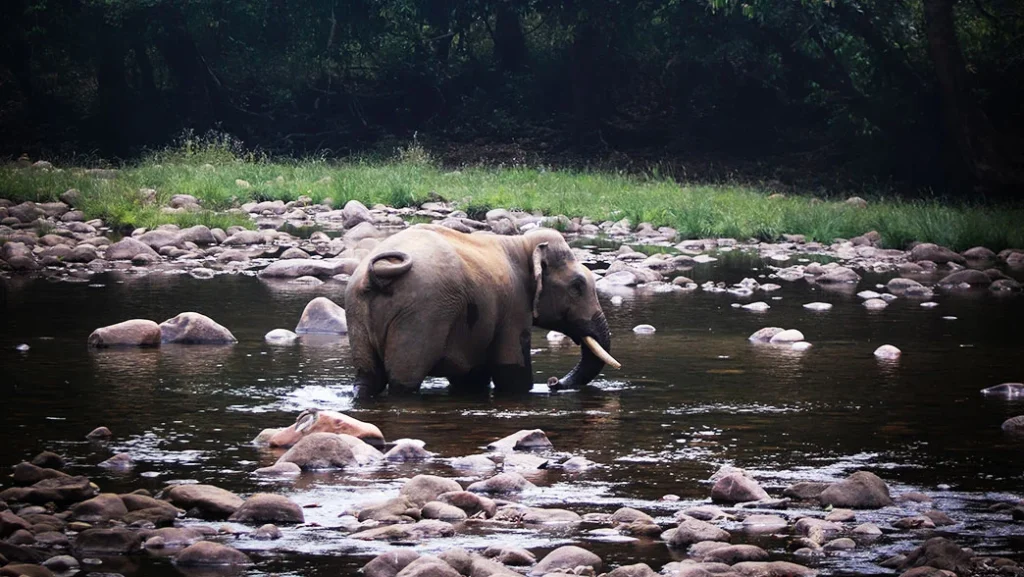
Watching the elephants arrive is an experience unlike any other.
Sometimes the herd announces its arrival with loud trumpeting that echoes across the valley. At other times they appear silently, emerging from the forest without warning.
Once they enter the river, the elephants head directly towards the bubbling spring. Using their powerful feet, they push aside large stones covering the spring before lowering their trunks to drink the mineral-rich water.
If several elephants arrive together, playful pushing and gentle contests often follow. Young calves happily splash around while adults patiently wait their turn.
Perhaps the most remarkable behaviour is what happens before they leave.
After drinking and bathing sometimes for nearly three hours the elephants carefully replace the rocks they had moved earlier, almost restoring the spring to its original condition before quietly returning to the forest.
Nature’s Remarkable Discipline
Local residents have observed several fascinating patterns over the years.
Most elephant visits occur during the afternoon, although sightings are equally possible late at night or before sunrise.
When two different herds approach simultaneously, the herd waiting uphill often signals its presence. Only after receiving the signal does the first group gradually move away, allowing the second herd access to the spring.
According to villagers, the highest number of elephants recorded in a single day exceeded 60 individuals, while the largest herd to visit together consisted of 22 elephants.
Not every visiting elephant belongs to the same family group. Seasonal movements within the forest mean different herds arrive throughout the year, making every visit unique.
Patience Is Part of the Experience
Despite its reputation, seeing elephants at Anakulam is never guaranteed.
My first visit ended in disappointment, as the elephants had arrived only during the night. On later trips, however, I was fortunate enough to witness the unforgettable spectacle. Unfortunately, many sightings occurred after sunset, leaving me with beautiful memories but very few photographs.
That uncertainty is part of Anakulam’s charm. Wildlife follows no timetable.
Living in Harmony with Wildlife
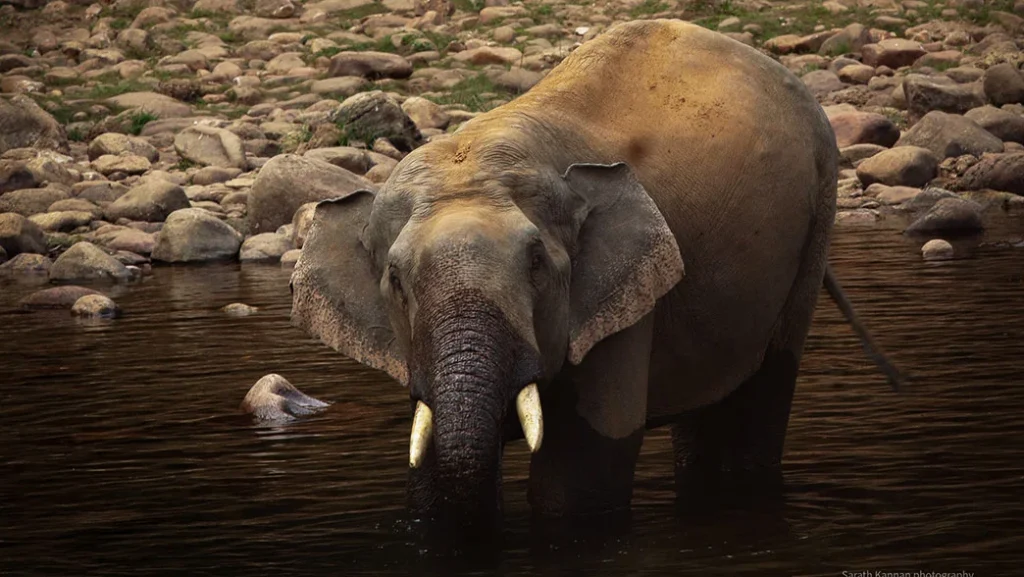
Perhaps the most inspiring aspect of Anakulam is the relationship between its people and the elephants.
While human-elephant conflicts make headlines elsewhere, the villagers here have learned to coexist peacefully with these magnificent animals.
Visitors are guided to designated safe viewing areas and are discouraged from entering the river or attempting to approach the elephants. Forest officials and local residents work together to prevent irresponsible behaviour that could disturb the animals or endanger tourists.
Their efforts have helped preserve both the safety of visitors and the natural behaviour of the elephants.
Tourism Built Around Nature
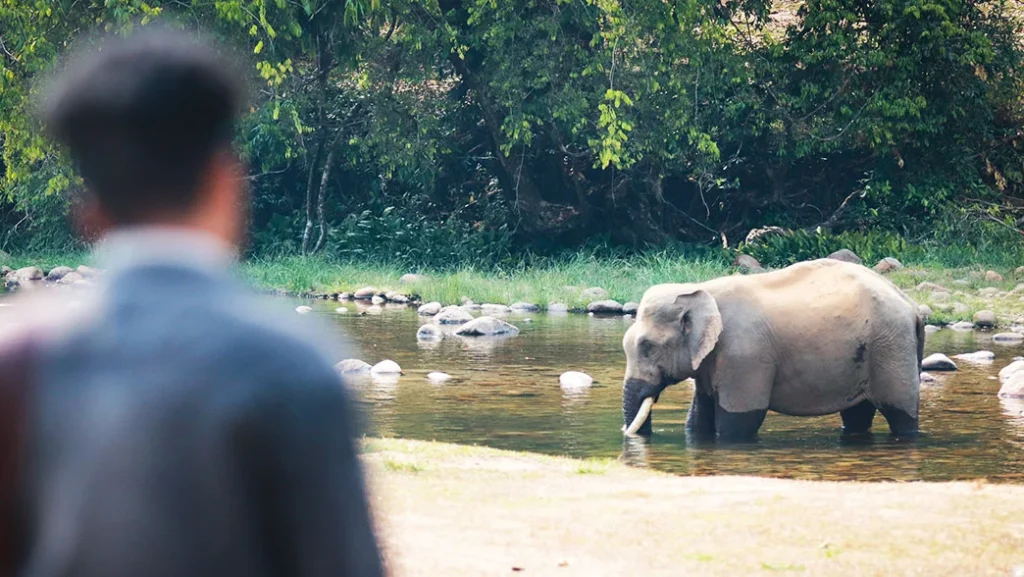
Today, tourism forms the backbone of Anakulam’s local economy.
Tea stalls, small restaurants, homestays, jeep safaris and local guides all depend on visitors who arrive hoping to witness the famous elephant gathering. Unsurprisingly, many businesses proudly include the word “Elephant” in their names or display elephant imagery as part of their identity.
Beyond elephant watching, visitors can also explore nearby waterfalls, scenic estates and the beautiful mountain roads leading towards Munnar through Lakshmi Estate.
A Destination Worth Experiencing
Anakulam is far more than just another tourist destination. It is a rare place where wildlife, local communities and nature exist in remarkable harmony.
Whether you leave with hundreds of photographs or simply memories of waiting beside a quiet river, Anakulam offers something increasingly rare in today’s world a chance to witness nature on its own terms. Sometimes the greatest reward is not simply seeing the elephants, but experiencing the patience, wonder and respect that such encounters inspire.